Opening Land That Overgrowth Has Made Inaccessible
Brush Clearing in Eveleth for rural properties, trails, and land management projects
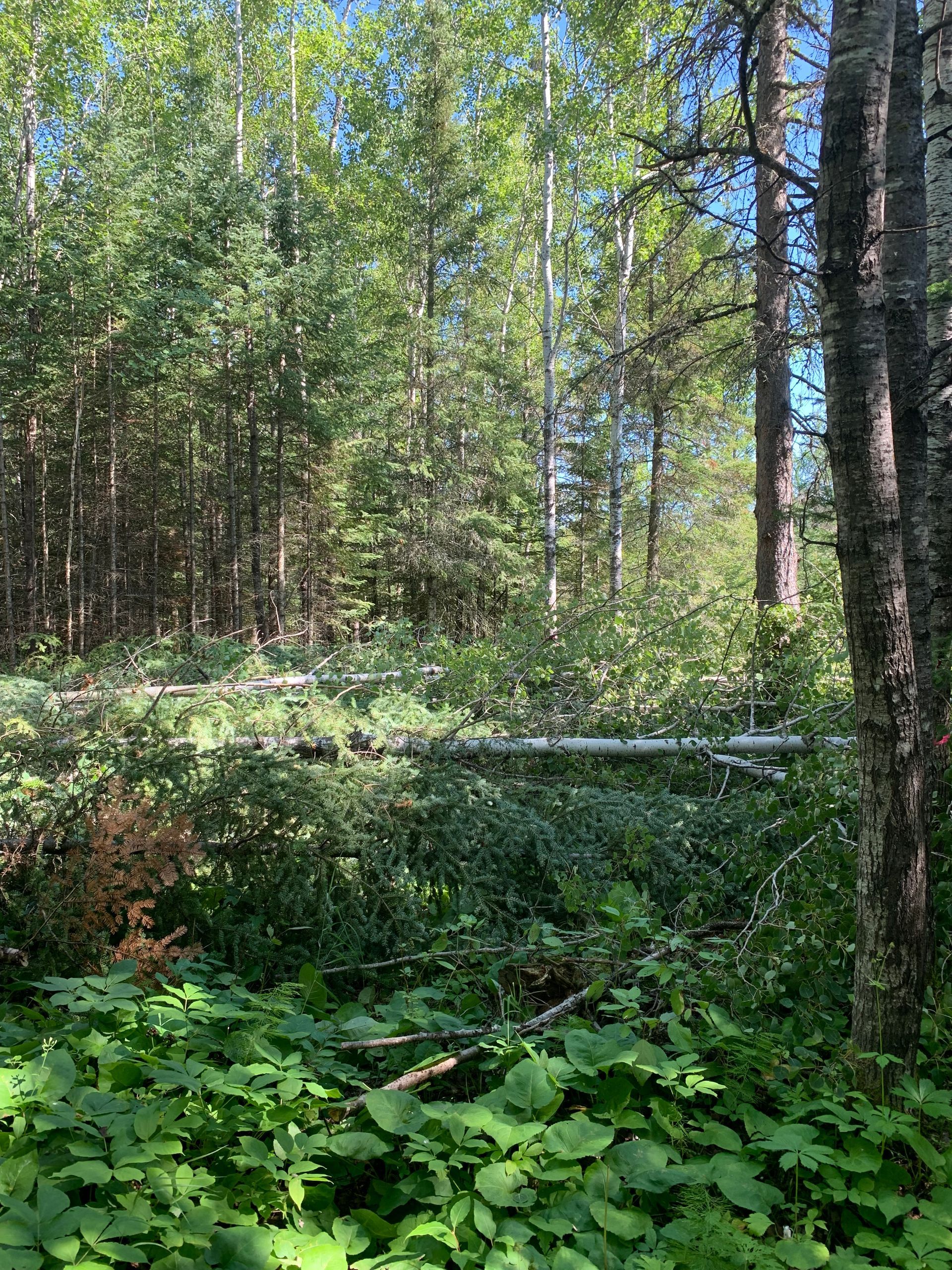
Overgrown brush, small trees, and dense vegetation prevent access, reduce visibility, and create fire hazards on rural properties throughout Northern Minnesota. The clearing process removes these obstacles quickly and safely using efficient methods tailored to property size and customer objectives. Aspen Creek Land Clearing and Excavating provides brush clearing for properties of all sizes, from small trail systems to large hunting land and future building sites where overgrowth blocks intended use.
The work involves cutting and removing brush, saplings, and undergrowth that limit accessibility or create maintenance challenges, then clearing the material from the site to restore visibility and open usable space. Properties in areas like Eveleth and surrounding regions often accumulate dense regrowth after previous clearing or logging, requiring mechanical removal to re-establish access and support ongoing land management goals.
Request a property evaluation to identify clearing needs and receive a plan based on your land management or development goals.
Dense brush increases wildfire risk by creating continuous fuel loads that spread fire rapidly, particularly during dry conditions common in late summer and fall across Northern Minnesota. Clearing removes this fuel layer, creating defensible space around structures and reducing the likelihood of fire spreading across property boundaries.
After clearing, you see open sight lines where dense vegetation previously blocked views, and trails or access roads are passable without obstacles that damage vehicles or impede movement. The property becomes easier to maintain, as ongoing regrowth is limited and remaining vegetation is manageable with standard mowing or seasonal maintenance.
Brush clearing does not remove large trees or perform grading work; it focuses on undergrowth and small-diameter vegetation that blocks access or creates hazards. The service is commonly requested for hunting land where visibility matters, cabin properties preparing for construction, and rural homesteads managing overgrown sections that have become inaccessible over time.
Common Questions About This Service
Brush clearing projects vary based on vegetation type, property size, and intended use, and these questions address what the process involves and when it makes sense.
What types of vegetation does brush clearing remove?
The service targets overgrown brush, saplings, dense undergrowth, and small trees that limit access or visibility, but does not include large tree removal or stump extraction, which are handled separately.
How does brush clearing improve hunting land?
Opening dense vegetation increases sight lines, improves wildlife movement patterns, and creates accessible trails for stand placement or game retrieval, particularly on properties where thick regrowth limits visibility and mobility.
Why is brush clearing common in Northern Minnesota?
Rapid regrowth during short growing seasons, combined with wet soil conditions that support dense vegetation, requires periodic clearing to maintain access and prevent properties from becoming overgrown and unusable.
When is the best time to schedule brush clearing?
Late fall through early spring is ideal, as frozen ground minimizes soil disturbance and vegetation is dormant, reducing regrowth and making material removal easier without damaging surrounding areas.
What should I do to maintain cleared areas after the work is complete?
Periodic mowing, seasonal maintenance, or controlled burns help prevent regrowth and keep trails or open areas accessible without requiring full clearing again in the near term.
Free consultations are available to evaluate clearing needs and discuss how the work fits your property management or development plans. Aspen Creek Land Clearing and Excavating can walk the property with you and provide recommendations based on current conditions and future use.