Ground Prepared Before the Driveway Goes Down
Driveway site preparation in Eveleth for new driveway installations requiring excavation, grading, and a properly built base
The finished surface of any driveway—whether gravel or paved—is only as stable as the ground prepared beneath it. Driveway site preparation done without proper excavation depth, grading, or base compaction produces a surface that shifts, settles unevenly, and drains poorly within a few seasons of use. Aspen Creek Land Clearing and Excavating handles the full preparation sequence for new driveways in Eveleth, from initial excavation through grading, base leveling, and soil and debris removal, so the ground is ready for whatever surface material is going down.
The preparation process begins with excavation to remove native soil, organic material, and any existing debris from the driveway footprint. Excavation depth is determined by the planned surface type and the load the driveway needs to carry—a gravel driveway serving standard passenger vehicles requires a different depth and base thickness than a surface that needs to handle heavier equipment or trucks regularly. Once excavation is complete, grading and leveling establish the correct cross-slope and centerline profile so that water runs off the driving surface rather than sitting on it and softening the base beneath.
Request a site visit to review the existing ground conditions and map out the excavation and grading work your driveway installation requires.
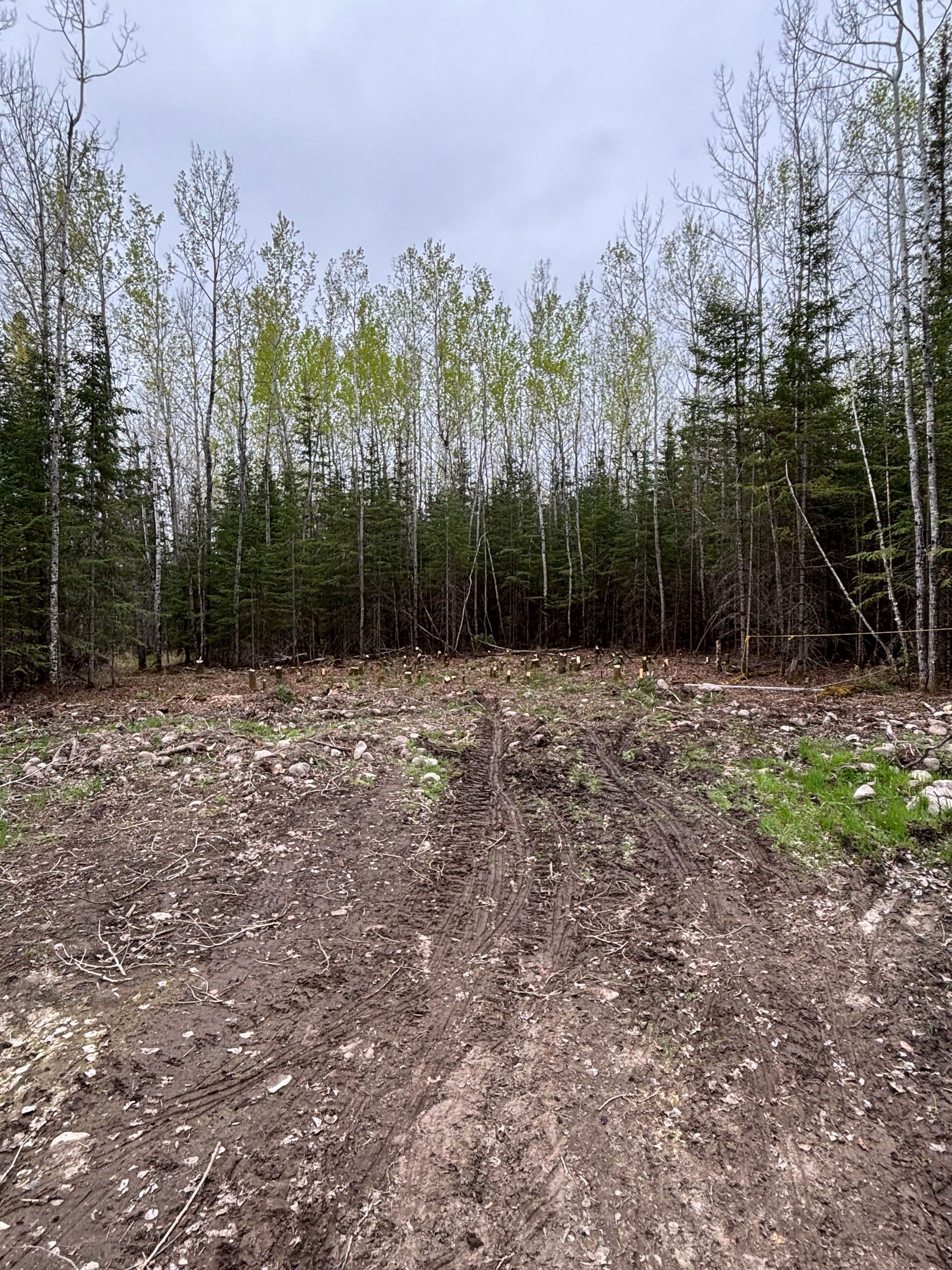
Gravel driveway preparation depends on a base that is uniform in depth and compacted consistently across the full width of the driving surface. When native soil contains organic material—roots, decomposed vegetation, soft fill—that material is removed during the excavation phase because it will compress under load and create low spots in the surface above it. Aspen Creek removes excess soil, rocks, and debris to establish a clean, consistent subgrade before any base material is placed. This step is where shortcuts most commonly create problems: leaving organic material in the subgrade saves time upfront but produces the soft spots and ruts that require repair far sooner than a properly excavated base would.
After preparation work is complete, the most visible indicator of a well-prepared base is a surface that drains cleanly after rain and holds its shape under normal load without developing ruts or low spots at the edges. A properly graded driveway surface will show water sheeting off to the sides rather than ponding in the center or at low points along the travel path. That drainage behavior is a direct product of the slope established during grading—it does not develop on its own if the base was not shaped correctly during preparation.
Site preparation scope varies based on the existing condition of the land. Properties where a previous driveway existed may require removal of old base material or failed gravel before new preparation begins. Lots that have never had a defined driveway often require more extensive clearing and debris removal before excavation can start. Both conditions are assessed before work begins so the preparation plan reflects what is actually on the ground.
Answers About How the Work Is Done
The following questions address the preparation process specifically, including decisions made during excavation and grading that affect the performance of the finished driveway surface.
How deep does excavation need to go for driveway site preparation?
Excavation depth depends on the surface type being installed and the vehicle load the driveway will carry, but the consistent requirement across surface types is that all organic material must be removed from the subgrade, which sometimes extends deeper than a standard depth on lots with heavy topsoil or root intrusion.
What does grading accomplish that leveling alone does not?
Grading establishes a deliberate slope across the width and length of the driveway surface so that water drains off the edges rather than pooling in the center, while leveling only addresses elevation uniformity without necessarily directing water anywhere useful.
Why is soil and debris removal a separate step rather than part of excavation?
Excavation removes the bulk of material to the correct depth, but soil and debris removal addresses residual rocks, roots, and loose material that remain in the work area and would create voids or soft spots in the base if left in place before gravel or base aggregate is added.
How does the mix of older residential lots and rural acreage in the Eveleth area affect driveway preparation scope?
Older residential lots frequently have established root systems, buried debris from previous construction, or compacted material from prior driveways that requires additional excavation passes to fully clear, while rural parcels may require clearing vegetation and organic topsoil across a wider footprint before a consistent grade can be established.
What is the last step before the driveway surface material is placed?
The final step is confirming that the graded subgrade is compacted uniformly and holds its elevation without soft areas, because any soft spots identified at this stage are repaired before surface material goes down rather than after, when access to the subgrade is no longer practical.
Aspen Creek Land Clearing and Excavating completes driveway site preparation for residential and rural properties where the ground needs to be properly excavated and graded before a surface can be installed. Describe your driveway project to Aspen Creek to determine what the site preparation scope involves and how to schedule the work.